
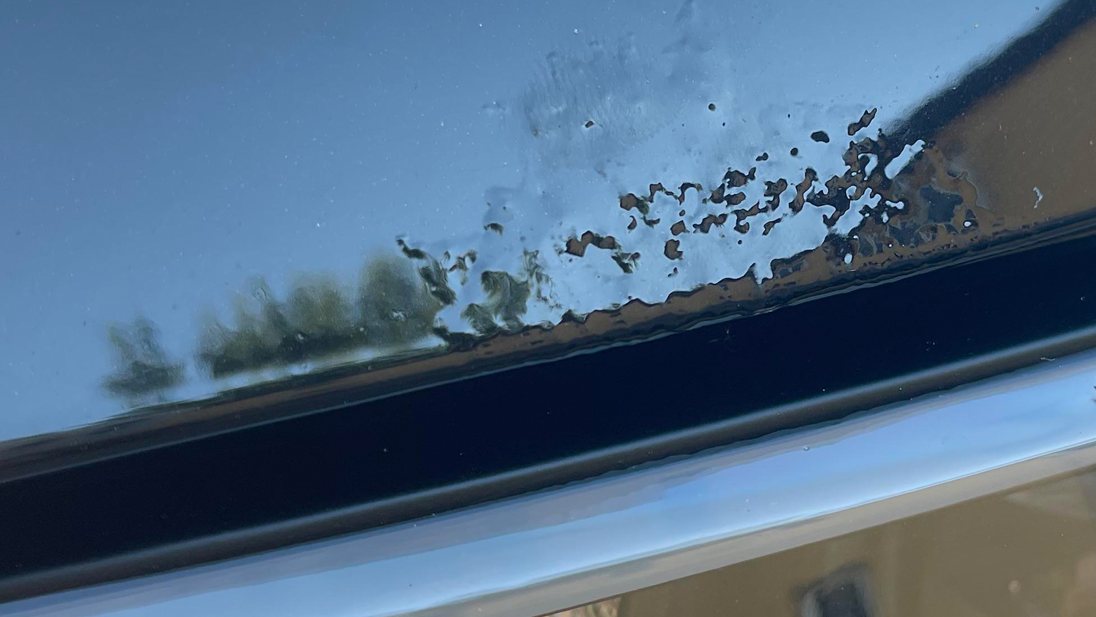
If you’ve noticed bubbling paint, white residue, or unusual corrosion on your vehicle, you could be dealing with galvanic corrosion—a common but often misunderstood issue in modern vehicles. At Cockrell’s Body Shop, this type of damage is handled with precision, experience, and the right repair techniques to restore both appearance and long-term durability.
What Is Galvanic Corrosion?
Galvanic corrosion occurs when two different metals come into contact in the presence of moisture or an electrolyte (like saltwater), causing one metal to corrode faster than the other.
This is increasingly common in today’s vehicles, which often combine aluminum and steel components to reduce weight and improve efficiency.
Signs of Galvanic Corrosion
You may notice:
- Bubbling or blistering paint around seams or fasteners
- White, chalky residue (especially on aluminum panels)
- Rust stains near metal joints
- Flaking or pitting metal surfaces
These symptoms often appear around doors, hoods, fenders, and panel connections—areas where different metals meet.
Why It’s Important to Fix It Quickly
Galvanic corrosion doesn’t just affect how your car looks—it can spread and compromise the integrity of body panels over time. Because the process is electrochemical, it continues as long as moisture and metal contact remain, gradually worsening the damage.
Addressing it early can prevent costly repairs down the road.
How Cockrell’s Body Shop Repairs Galvanic Corrosion
At Cockrell’s Body Shop, repairing galvanic corrosion involves more than just surface work—it requires a detailed, professional process to stop the reaction and restore your vehicle.
1. Thorough Inspection & Assessment
Technicians first identify the extent of the corrosion and determine which materials are involved. This ensures the correct repair approach is used.
2. Removing Corrosion
The affected area is carefully stripped down by:
- Sanding or media blasting
- Removing damaged paint and oxidized material
This step eliminates the active corrosion without damaging the underlying metal.
3. Isolating Dissimilar Metals
One of the most critical steps is preventing the metals from reacting again. This may involve:
- Applying insulating materials or sealers
- Using adhesives or coatings to create a barrier between metals
4. Surface Preparation & Protection
The repaired area is cleaned, treated, and primed using corrosion-resistant coatings to protect against future damage.
5. Professional Refinishing
Finally, the area is repainted and blended to match your vehicle’s original finish—leaving no visible trace of the repair.
Why Professional Repair Matters
Galvanic corrosion is not a simple cosmetic issue. It requires:
- Knowledge of metal compatibility
- Proper repair environment and tools
- Correct coatings and insulation techniques
Even something as small as cross-contamination between steel and aluminum during repairs can trigger corrosion again if not handled properly.
That’s why trusting an experienced shop like Cockrell’s Body Shop is essential.
Preventing Future Corrosion
After repair, Cockrell’s helps protect your vehicle by:
- Applying protective coatings and sealants
- Ensuring proper paint coverage and finishing
- Following industry best practices for corrosion prevention
Keeping your vehicle clean—especially removing road salt and moisture—also helps reduce the risk.
Trust Cockrell’s Body Shop for Expert Repairs
With decades of experience serving the Eastern Shore, Cockrell’s Body Shop understands the complexities of modern vehicle materials and repair techniques. From minor cosmetic issues to advanced corrosion repair, their team delivers results you can trust.


